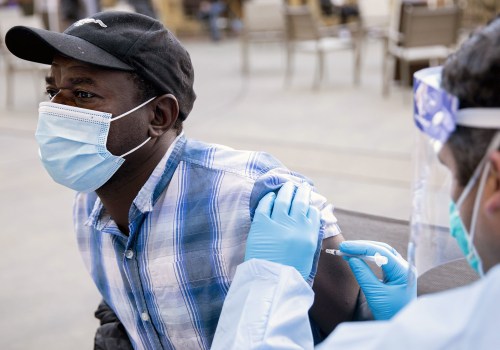
The health of a community is a reflection of its overall well-being, and when it comes to the African-American community, the statistics reveal a troubling narrative. Health disparities affecting African-Americans are not merely numbers; they represent real lives impacted by systemic inequities, cultural stigmas, and socioeconomic challenges. Understanding these disparities is crucial for addressing the broader public health issues that affect not only African-Americans but society as a whole.Health disparities refer to the differences in health outcomes and access to healthcare services that are closely linked with social, economic, and environmental disadvantages. For African-Americans, these disparities manifest in various forms, including higher rates of chronic diseases such as diabetes, hypertension, and certain types of cancer. , the statistics reveal a troubling narrative. Health disparities affecting African-Americans are not merely numbers; they represent real lives impacted by systemic inequities, cultural stigmas, and socioeconomic challenges. Understanding these disparities is crucial for addressing the broader public health issues that affect not only African-Americans but society as a whole.Health disparities refer to the differences in health outcomes and access to healthcare services that are closely linked with social, economic, and environmental disadvantages. For African-Americans, these disparities manifest in various forms, including higher rates of chronic diseases such as diabetes, hypertension, and certain types of cancer.
The implications of these health issues extend beyond individual suffering; they strain healthcare systems and contribute to a cycle of poverty and poor health that can persist across generations.Moreover, the significance of addressing black health issues goes beyond mere statistics. It involves recognizing the historical context that has shaped the current landscape of African-American health. Factors such as institutional racism, lack of access to quality healthcare, and cultural barriers play pivotal roles in perpetuating these disparities. By delving into the complexities surrounding African-American health, we can begin to formulate effective strategies aimed at reducing these inequities and improving health outcomes for all.In this article, we will explore the multifaceted nature of health disparities within the African-American community.
We will examine prevalent health issues, contributing factors, and potential solutions that can pave the way for a healthier future. Understanding these dynamics is not just an academic exercise; it is a necessary step toward fostering equity in healthcare and ensuring that every individual has the opportunity to lead a healthy life.
Prevalent Health Issues in the African-American Community
The African-American community faces a range of health challenges that are often exacerbated by socioeconomic factors, access to healthcare, and systemic inequalities. Among the most prevalent health issues are chronic diseases such as diabetes, hypertension, and heart disease, which disproportionately affect this population.Diabetes
is a significant concern, with African-Americans being 60% more likely to be diagnosed with diabetes compared to their white counterparts. This condition can lead to severe complications, including kidney failure, heart disease, and vision loss.
The Centers for Disease Control and Prevention (CDC) reports that nearly 15% of African-American adults have diabetes, a statistic that highlights the urgent need for targeted prevention and management strategies.
Hypertension
, or high blood pressure, is another critical health issue within the African-American community. Approximately 40% of African-American adults suffer from hypertension, which is significantly higher than the national average. This condition is often referred to as a "silent killer" because it typically presents no symptoms until serious complications arise, such as stroke or heart attack. Factors contributing to this disparity include dietary habits, stress levels, and limited access to healthcare resources.
Heart disease
remains the leading cause of death among African-Americans.
The American Heart Association indicates that African-American men are 30% more likely to die from heart disease than white men. Contributing factors include high rates of obesity and diabetes within the community. Lifestyle changes such as improved diet and increased physical activity can help mitigate these risks, but access to healthy food options and safe environments for exercise is often limited in many neighborhoods.In addition to these chronic diseases, mental health issues also play a significant role in the overall health of the African-American community. Stigma surrounding mental health can prevent individuals from seeking necessary care, leading to untreated conditions that can exacerbate physical health problems.Addressing these prevalent health issues requires a multifaceted approach that includes education, community support, and improved access to healthcare services.
By focusing on prevention and early intervention, we can work towards reducing the disparities faced by African-Americans in terms of health outcomes.
The Role of Mental Health in African-American Well-Being
Mental health is a critical component of overall well-being, yet it remains an often-overlooked issue within the African-American community. The stigma surrounding mental health conditions can create significant barriers to seeking help, leading to a cycle of untreated issues that can affect individuals and families for generations.In many African-American households, discussing mental health is still considered taboo. This stigma can stem from cultural beliefs that equate mental illness with weakness or failure. As a result, individuals may feel pressured to suppress their struggles rather than seek the support they need.This reluctance to address mental health issues can lead to a range of negative outcomes, including increased rates of anxiety, depression, and even substance abuse.Access to mental health care is another significant challenge faced by the African-American community. Numerous studies have shown that African-Americans are less likely to receive mental health services compared to their white counterparts. Factors contributing to this disparity include:
- Economic Barriers: Many African-Americans face financial constraints that limit their ability to afford therapy or counseling services.
- Lack of Insurance: A significant portion of the African-American population is uninsured or underinsured, making it difficult to access necessary care.
- Geographic Limitations: In many areas, particularly rural communities, there may be a shortage of mental health professionals who are culturally competent and sensitive to the unique experiences of African-Americans.
- Distrust in Healthcare Systems: Historical injustices and ongoing discrimination in healthcare can lead to a lack of trust in medical professionals, further discouraging individuals from seeking help.
Additionally, increasing the representation of African-Americans in the mental health field can foster trust and improve the quality of care provided.Ultimately, prioritizing mental health within the African-American community is essential for fostering resilience and improving overall well-being. By breaking down stigma and enhancing access to care, we can create a healthier future for individuals and families alike.
Cancer Disparities Among African-Americans
Cancer remains one of the most pressing health challenges facing the African-American community, with significant disparities in incidence and outcomes compared to other racial and ethnic groups. The statistics are alarming: African-Americans are more likely to be diagnosed with certain types of cancer and have poorer survival rates. Understanding these disparities is crucial for addressing the underlying issues and improving health outcomes.Breast Cancer
Breast cancer is a particularly concerning issue for African-American women.
While the overall incidence of breast cancer is slightly lower in this demographic compared to white women, the mortality rate is significantly higher. According to the American Cancer Society, African-American women are 42% more likely to die from breast cancer than their white counterparts. This disparity can be attributed to several factors:
- Late Diagnosis: Many African-American women are diagnosed at later stages of breast cancer, which limits treatment options and negatively impacts survival rates.
- Access to Care: Socioeconomic barriers often prevent timely access to screening and treatment, leading to worse outcomes.
- Biological Factors: Some studies suggest that African-American women may be more likely to develop aggressive forms of breast cancer, such as triple-negative breast cancer, which is harder to treat.
Prostate Cancer
Prostate cancer is another critical health issue for African-American men. They are 1.7 times more likely to be diagnosed with prostate cancer than white men and are also more likely to die from the disease.
Factors contributing to this disparity include:
- Genetic Predisposition: Research indicates that genetic factors may play a role in the higher incidence of prostate cancer among African-American men.
- Lack of Screening: Many men in this community do not receive regular screenings, which can lead to late-stage diagnoses.
- Healthcare Access: Economic barriers and a lack of health insurance can hinder access to preventive care and treatment options.
Socioeconomic Factors Influencing Health Outcomes
The health outcomes of the African-American community are significantly influenced by a range of socioeconomic factors. These factors include income, education, and employment status, all of which play a crucial role in determining access to quality healthcare and overall well-being.Income
is one of the most critical determinants of health.
Individuals with higher incomes typically have better access to healthcare services, healthier food options, and safe living environments. Conversely, those in lower income brackets often face barriers that can lead to poor health outcomes. For instance, they may lack health insurance or be unable to afford necessary medical treatments. This economic disparity can result in a higher prevalence of chronic diseases such as diabetes and hypertension within the African-American community.Education also plays a vital role in shaping health outcomes.
Studies have shown that individuals with higher levels of education tend to have better health literacy, which enables them to make informed decisions about their health. They are more likely to understand the importance of preventive care and seek medical attention when needed. In contrast, lower educational attainment is often associated with limited knowledge about health issues and available resources, further exacerbating health disparities.Employment status is another significant factor influencing health. Stable employment not only provides financial security but also often comes with benefits such as health insurance.
Unemployment or underemployment can lead to increased stress and anxiety, which negatively impacts mental and physical health. Moreover, jobs that are low-paying or lack benefits may not provide the necessary support for maintaining good health.Access to healthcare is intricately linked to these socioeconomic factors. Many African-Americans live in areas with limited healthcare facilities or providers who are culturally competent. This lack of access can deter individuals from seeking care, leading to untreated conditions that worsen over time.
Furthermore, systemic issues such as transportation barriers and discrimination within healthcare settings can further complicate access.In summary, addressing the socioeconomic factors that influence health outcomes is essential for improving the overall well-being of the African-American community. By focusing on enhancing income opportunities, educational access, and employment stability, we can work towards reducing health disparities and ensuring that all individuals have the opportunity to lead healthy lives.
Environmental Influences on African-American Health
The health of the African-American community is significantly influenced by various environmental factors that contribute to health disparities. These factors encompass living conditions, exposure to pollutants, and access to nutritious food options, all of which can have profound effects on overall well-being.Many African-Americans reside in urban areas where environmental challenges are prevalent. These neighborhoods often experience higher levels of pollution , including air and water contaminants, which can lead to serious health issues such as asthma, respiratory diseases, and cardiovascular problems.For instance, studies have shown that communities located near industrial sites or highways are disproportionately affected by poor air quality, leading to increased rates of chronic illnesses among residents.Moreover, the lack of green spaces in urban environments can exacerbate health disparities. Access to parks and recreational areas is crucial for promoting physical activity and mental well-being. Unfortunately, many African-American neighborhoods are devoid of such facilities, limiting opportunities for exercise and social interaction. This absence not only affects physical health but also contributes to mental health challenges.Another critical aspect is the availability of healthy food options.
Food deserts—areas with limited access to affordable and nutritious food—are common in many African-American communities. Residents often rely on convenience stores that offer processed foods high in sugar and fat, leading to higher rates of obesity, diabetes, and other diet-related diseases. Addressing this issue requires initiatives aimed at improving access to fresh produce and healthy food choices.In addition to these factors, socioeconomic status plays a significant role in determining the extent of environmental influences on health. Lower-income families may lack the resources to relocate to healthier environments or invest in preventive healthcare measures.
This cycle perpetuates health disparities and highlights the need for systemic changes that address both environmental conditions and economic inequalities.To combat these challenges, community engagement and advocacy are essential. By raising awareness about the impact of environmental factors on health outcomes, African-American communities can push for policy changes that promote cleaner environments, better access to healthcare, and improved food systems. Collaborative efforts between local governments, healthcare providers, and community organizations can lead to sustainable solutions that enhance the overall health of African-Americans.
The Importance of Representation in Healthcare
In the realm of healthcare, representation plays a pivotal role in shaping the experiences and outcomes of patients, particularly within the African-American community. The lack of diversity among healthcare providers can lead to significant gaps in understanding and addressing the unique health needs of black patients.When individuals see healthcare professionals who share similar backgrounds, cultures, and experiences, it fosters a sense of trust and comfort that is essential for effective communication and care.Studies have shown that patients are more likely to seek care and adhere to treatment plans when they feel understood by their providers. This is especially true for African-Americans, who often face systemic barriers and biases within the healthcare system. A diverse healthcare workforce can bridge these gaps by:
- Enhancing Communication: Healthcare providers who understand cultural nuances can communicate more effectively with their patients. This leads to better patient education, improved health literacy, and ultimately, better health outcomes.
- Building Trust: Representation helps to dismantle the historical mistrust that many African-Americans have towards the healthcare system.
When patients see providers who look like them, it can alleviate fears and encourage them to seek necessary medical attention.
- Addressing Health Disparities: A diverse group of healthcare professionals is more likely to recognize and address the specific health issues prevalent in the African-American community, such as hypertension, diabetes, and certain cancers. This targeted approach can lead to more effective prevention strategies and treatment plans.
By investing in the future of black healthcare professionals, we can create a more equitable system that serves all communities effectively.In conclusion, enhancing healthcare representation for African-Americans is not merely a matter of equity; it is essential for improving health outcomes and fostering trust within the community. As we strive for a more inclusive healthcare system, we must prioritize diversity among providers to ensure that every patient receives the quality care they deserve.
Community Initiatives and Solutions for Better Health Outcomes
Addressing the health disparities faced by the African-American community requires a multifaceted approach that includes community-driven initiatives and public health programs. These initiatives not only aim to improve health outcomes but also empower individuals through education, access to resources, and support systems.Community Health Initiatives
- The Black Women's Health Imperative : This organization focuses on improving the health of African-American women through advocacy, education, and research. Their programs address issues such as reproductive health, chronic diseases, and mental health, providing resources tailored to the unique needs of black women.
- Healthy Black Families : This initiative promotes health equity by providing culturally relevant health education and resources.
They focus on chronic disease prevention and management, offering workshops and community events that engage families in healthy lifestyle choices.
- The African American Tobacco Control Leadership Council : This organization works to reduce tobacco use among African-Americans through community engagement and policy advocacy. Their efforts have led to increased awareness about the dangers of tobacco use and have promoted smoke-free environments in communities.
Public Health Programs
- Community Health Workers (CHWs) : CHWs play a vital role in bridging the gap between healthcare providers and the African-American community. They provide education, support, and resources to help individuals navigate the healthcare system, ensuring that they receive necessary care.
- Mobile Health Clinics : These clinics bring healthcare services directly to underserved communities. By offering screenings, vaccinations, and health education in familiar settings, mobile clinics help reduce barriers to access for African-Americans who may face transportation or financial challenges.
- Partnerships with Local Organizations : Collaborations between healthcare providers and local organizations can enhance outreach efforts.
For example, partnerships with churches or community centers can facilitate health fairs that offer screenings and educational workshops tailored to the needs of the community.
Conclusion: Moving Towards Health Equity for African-Americans
In conclusion, the health challenges faced by the African-American community are deeply rooted in a complex interplay of social, economic, and environmental factors. Throughout this article, we have explored various health issues that disproportionately affect African-Americans, including chronic diseases such as diabetes and hypertension, higher cancer rates, and significant mental health concerns.These disparities are not merely statistics; they represent real lives impacted by systemic inequities.Addressing these disparities requires a multifaceted approach that prioritizes health equity. It is essential to recognize that access to quality healthcare is just one piece of the puzzle. We must also consider the broader social determinants of health, such as education, income, and neighborhood environments. For instance, many African-Americans live in areas with limited access to healthy food options and safe recreational spaces, which can exacerbate health issues.Moreover, the importance of representation in healthcare cannot be overstated.
Increasing the number of African-American healthcare providers can help bridge the trust gap between patients and providers. When individuals see themselves reflected in their healthcare professionals, they are more likely to seek care and adhere to treatment plans.To move towards health equity for African-Americans, we must:
- Advocate for policy changes that address systemic barriers to healthcare access.
- Invest in community health programs that focus on prevention and education tailored to the unique needs of African-American populations.
- Encourage research that highlights the specific health challenges faced by this community and informs effective interventions.
- Promote mental health awareness and reduce stigma surrounding mental health issues within the African-American community.