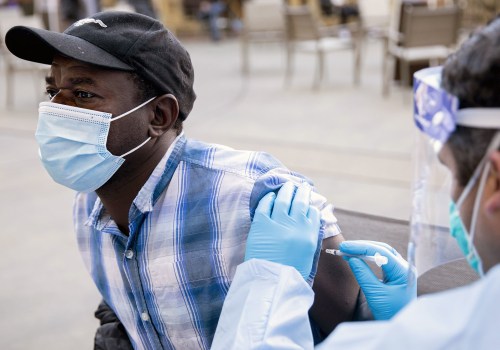
Health disparities represent a significant challenge in the quest for equitable healthcare, particularly within minority communities. Among these, the African American health landscape reveals stark inequalities that are deeply rooted in historical, social, and economic contexts. Understanding these disparities is crucial for developing effective interventions and policies aimed at improving health outcomes for African Americans and other marginalized groups. The term "health disparities" refers to the differences in health outcomes and access to healthcare services that exist between various population groups. These disparities are often influenced by a range of factors known as social determinants of health , which include socioeconomic status, education, neighborhood and physical environment, employment, social support networks, as well as access to healthcare. , which include socioeconomic status, education, neighborhood and physical environment, employment, social support networks, as well as access to healthcare.
For African Americans, these determinants have historically been shaped by systemic racism and discrimination, leading to poorer health outcomes compared to their white counterparts. For instance, African Americans experience higher rates of chronic diseases such as diabetes, hypertension, and heart disease. These conditions are exacerbated by barriers to accessing quality healthcare, including lack of insurance, limited availability of culturally competent care providers, and economic instability. Furthermore, the impact of social determinants extends beyond individual health; it affects entire communities by perpetuating cycles of poverty and ill health. Addressing these disparities requires a multifaceted approach that not only focuses on improving healthcare access but also tackles the underlying social determinants that contribute to health inequalities. By fostering a deeper understanding of the complexities surrounding health disparities in African American communities, we can begin to formulate strategies that promote health equity and ensure that all individuals have the opportunity to achieve optimal health.
The Historical Context of Health Disparities
To fully grasp the current health disparities faced by African Americans, it is essential to explore the historical context that has shaped these inequalities.The roots of these disparities can be traced back to systemic racism, which has permeated various aspects of American life, including healthcare, education, and employment.Historically, African Americans have been subjected to discriminatory practices that have significantly impacted their health outcomes. From the era of slavery to the Jim Crow laws, systemic oppression has created barriers to accessing quality healthcare. For instance, during slavery, African Americans were often denied medical care and subjected to inhumane treatment, which laid the groundwork for mistrust in the healthcare system.Even after the abolition of slavery, discriminatory policies continued to affect African American communities. Segregation in hospitals and clinics meant that African Americans received inferior care compared to their white counterparts.
This segregation was not merely a social issue; it had profound implications for health outcomes. Studies have shown that segregated facilities often lacked adequate resources and trained personnel, leading to poorer health services for African Americans.Moreover, the socio-economic challenges faced by African Americans have compounded these health disparities. Many African American communities have historically been located in areas with limited access to healthcare facilities, nutritious food, and safe environments. These factors contribute to higher rates of chronic diseases such as diabetes and hypertension within these populations.The legacy of systemic racism continues to manifest in modern public health policies and practices.
For example, research indicates that African Americans are less likely to receive preventive care services compared to white individuals. This lack of access not only exacerbates existing health issues but also leads to a cycle of poor health outcomes that can persist across generations.Understanding this historical context is crucial for addressing current health disparities. It highlights the need for targeted interventions that consider the unique challenges faced by African American communities. By acknowledging the impact of history on present-day health outcomes, public health initiatives can be more effectively designed to promote equity and improve overall health in these communities.
Key Social Determinants of Health in African American Communities
Understanding the health outcomes of African American communities requires a deep dive into the social determinants of health.These determinants encompass a range of factors that significantly influence the well-being of individuals and communities. Among these, economic status, education, and access to healthcare services stand out as critical components.
Economic Factors
The economic conditions in which African Americans live play a pivotal role in shaping their health outcomes. Many African American communities experience higher rates of poverty compared to their white counterparts. This economic disparity can lead to limited access to nutritious food, safe housing, and quality healthcare.
For instance, neighborhoods with high poverty rates often lack grocery stores that offer fresh produce, leading to poor dietary choices and increased rates of obesity and related diseases.Moreover, employment opportunities are often scarce in these communities, which can result in underemployment or unemployment. This economic instability not only affects individual health but also places a strain on community resources, making it difficult for residents to seek preventive care or manage chronic conditions effectively.
Education
Education is another crucial determinant that impacts health outcomes in African American populations. Higher levels of education are associated with better health literacy, which enables individuals to make informed decisions about their health. Unfortunately, many African American communities face systemic barriers to quality education, including underfunded schools and limited access to advanced coursework.These educational disparities can perpetuate cycles of poverty and poor health.
For example, individuals with lower educational attainment may have less knowledge about disease prevention and management, leading to higher rates of chronic illnesses such as diabetes and hypertension.
Access to Healthcare
Access to healthcare services is a fundamental aspect of achieving optimal health. However, African American communities often encounter significant barriers when trying to obtain medical care. These barriers can include lack of insurance coverage, transportation challenges, and a shortage of healthcare providers in their areas.Additionally, cultural competency among healthcare providers is essential for effective communication and treatment. Unfortunately, many African Americans report feeling misunderstood or discriminated against in healthcare settings, which can deter them from seeking necessary medical attention.In conclusion, addressing the social determinants of health in African American communities is vital for improving overall health outcomes.
By focusing on economic stability, educational opportunities, and equitable access to healthcare services, we can work towards reducing health disparities and promoting health equity for all individuals.
The Role of Healthcare Access and Quality
Access to quality healthcare is a critical factor influencing health outcomes for African Americans. Unfortunately, many individuals in this community face significant barriers that hinder their ability to receive adequate medical care. These barriers can be categorized into several key areas, including insurance coverage , availability of healthcare facilities, and the overall quality of care provided.Insurance Coverage
A lack of health insurance is one of the most pressing issues affecting African American communities. According to recent studies, African Americans are more likely to be uninsured compared to their white counterparts.
This lack of coverage not only limits access to necessary medical services but also discourages individuals from seeking preventive care. Without insurance, many are forced to rely on emergency services for health issues that could have been managed with regular check-ups and early intervention.
Healthcare Facilities
The availability of healthcare facilities in predominantly African American neighborhoods is often inadequate. Many communities are underserved, with few clinics or hospitals nearby. This geographic disparity means that individuals may have to travel long distances to access care, which can be a significant barrier, especially for those without reliable transportation.
Furthermore, the facilities that do exist may lack the resources or staff needed to provide comprehensive care.
Quality of Care
Even when African Americans do have access to healthcare services, the quality of care they receive can be subpar. Studies have shown that minority patients often experience disparities in treatment options and outcomes compared to white patients. Factors such as implicit bias among healthcare providers and systemic inequities within the healthcare system contribute to these disparities. For instance, African Americans may receive less effective pain management or be less likely to be referred for specialized care.Addressing these issues requires a multifaceted approach that includes expanding insurance coverage, improving the availability and quality of healthcare facilities in underserved areas, and implementing training programs for healthcare providers to reduce bias.
By tackling these barriers head-on, we can work towards achieving better health outcomes for African Americans and ultimately move closer to health equity for all communities.
Mental Health Disparities in African American Communities
Mental health is a critical aspect of overall well-being, yet it remains a significant challenge within African American communities. The stigma surrounding mental illness often prevents individuals from seeking the help they need, leading to untreated conditions that can exacerbate existing health disparities.In many African American households, mental health issues are frequently viewed through a lens of shame and misunderstanding. This stigma can manifest in various ways, including the belief that mental illness is a sign of weakness or a personal failing. As a result, individuals may feel pressured to hide their struggles rather than seek support.This cultural perception not only affects those suffering from mental health issues but also impacts families and communities as a whole.Access to mental health services is another significant barrier faced by African Americans. Numerous studies have shown that minority populations often encounter systemic obstacles when trying to obtain care. These barriers can include:
- Financial Constraints: Many African Americans lack adequate health insurance coverage, making it difficult to afford therapy or medication.
- Geographic Limitations: Mental health resources are often concentrated in urban areas, leaving rural communities with limited access to care.
- Cultural Competence: A lack of culturally competent providers can deter individuals from seeking help, as they may feel misunderstood or marginalized in clinical settings.
Education and awareness campaigns can help dismantle stigma and encourage individuals to seek help without fear of judgment. Additionally, increasing the availability of culturally competent mental health professionals can bridge the gap in access to care.Ultimately, addressing mental health disparities in African American communities requires a multifaceted approach that includes advocacy for policy changes, increased funding for mental health services, and community engagement initiatives aimed at promoting understanding and acceptance of mental health issues.
Chronic Diseases and Their Impact on African Americans
Chronic diseases represent a significant health challenge for African American communities, with conditions such as diabetes and hypertension being particularly prevalent. These diseases not only affect individual health but also have broader implications for families and communities, contributing to increased healthcare costs and reduced quality of life.Diabetes
is a major concern, with African Americans experiencing higher rates of both type 1 and type 2 diabetes compared to their white counterparts. According to the Centers for Disease Control and Prevention (CDC), approximately 13.4% of African American adults have diabetes, a rate that is significantly higher than the national average.
This disparity can be attributed to a combination of genetic factors, socioeconomic status, and limited access to healthcare resources.The complications associated with diabetes are severe, including cardiovascular disease, kidney failure, and vision loss. Furthermore, the management of diabetes often requires ongoing medical care, education on lifestyle changes, and access to medications—resources that may not be readily available in underserved communities.
Hypertension
, or high blood pressure, is another chronic condition that disproportionately affects African Americans. Studies indicate that nearly 40% of African American adults have hypertension, which is often exacerbated by factors such as stress, diet, and lack of physical activity. The consequences of uncontrolled hypertension can be dire, leading to heart attacks, strokes, and other serious health issues.Addressing these chronic diseases requires targeted interventions that consider the unique challenges faced by African American communities.
Public health initiatives must focus on:
- Education: Increasing awareness about the risk factors and management strategies for diabetes and hypertension.
- Access to Care: Improving access to healthcare services, including regular screenings and preventive care.
- Culturally Relevant Programs: Developing programs that resonate with the community's cultural values and practices.
- Nutritional Support: Promoting healthy eating habits through community gardens and nutrition education.
- Physical Activity: Encouraging regular physical activity through community events and safe recreational spaces.
Community-Based Approaches to Addressing Health Disparities
Addressing health disparities in minority communities, particularly among African Americans, requires innovative and effective community-based approaches. These initiatives often leverage local knowledge, resources, and networks to create tailored solutions that resonate with the specific needs of the community.One notable example is the Community Health Worker (CHW) model, which has gained traction in various urban and rural settings. CHWs are trusted members of the community who provide education, support, and advocacy for health services. They bridge the gap between healthcare providers and community members, ensuring that individuals understand their health conditions and available resources.Programs utilizing CHWs have shown significant improvements in chronic disease management, maternal health, and preventive care among African American populations.Another successful initiative is the Healthy Corner Store Program , which aims to increase access to fresh fruits and vegetables in neighborhoods with limited grocery options. By partnering with local corner stores, this program not only enhances food availability but also educates residents about nutrition and healthy eating habits. Such grassroots movements empower communities to take charge of their health by making healthier choices more accessible.Public health programs like the Black Women’s Health Imperative focus on addressing specific health issues faced by African American women, such as heart disease and diabetes. Through workshops, screenings, and advocacy efforts, these programs aim to raise awareness and provide resources tailored to the unique challenges this demographic faces.Community engagement is crucial for the success of these initiatives.
By involving local leaders and residents in the planning and implementation phases, programs can ensure they are culturally relevant and effectively address the barriers faced by community members. This participatory approach fosters trust and encourages greater participation in health programs.In conclusion, community-based approaches are vital in tackling health disparities among African Americans. By harnessing local resources, engaging residents, and implementing targeted programs, communities can create sustainable changes that lead to improved health outcomes.
Policy Recommendations for Improving Health Equity
To effectively address health disparities and promote health equity for African Americans, a multifaceted approach is essential. This involves the implementation of targeted public policy recommendations that can create systemic change.Below are several key strategies that governments and organizations can adopt to improve health outcomes in minority communities.
- Increase Funding for Minority Health Initiatives: Allocating more resources to health programs specifically designed for African American communities is crucial. This funding should support preventive care, education, and outreach programs that address the unique health challenges faced by these populations.
- Enhance Access to Quality Healthcare: Policies should focus on expanding access to affordable healthcare services. This includes increasing the number of community health centers in underserved areas, providing transportation assistance, and ensuring that insurance plans cover a comprehensive range of services.
- Implement Cultural Competency Training: Healthcare providers must receive training in cultural competency to better understand and address the specific needs of African American patients. This training can help reduce biases and improve communication between healthcare providers and patients.
- Promote Community Engagement: Engaging local communities in the development and implementation of health policies is vital.
Policymakers should collaborate with community leaders and organizations to ensure that initiatives are culturally relevant and effectively meet the needs of African Americans.
- Support Research on Health Disparities: Increased funding for research focused on understanding the root causes of health disparities among African Americans is necessary. This research can inform evidence-based policies and interventions tailored to address specific health issues within these communities.
- Strengthen Data Collection Efforts: Improving data collection on health outcomes among African Americans will help identify trends, gaps, and areas needing attention. Policymakers should ensure that data is disaggregated by race and ethnicity to accurately assess disparities.
The Importance of Cultural Competence in Healthcare Delivery
In addressing the health disparities faced by African American communities, the role of cultural competence in healthcare delivery cannot be overstated.Cultural competence refers to the ability of healthcare providers to understand, communicate with, and effectively interact with patients from diverse cultural backgrounds. This skill is essential for improving health outcomes and ensuring that African American patients receive equitable care.Healthcare providers must undergo comprehensive training programs that emphasize the importance of cultural awareness and sensitivity. These programs should include:
- Understanding Historical Context: Training should cover the historical injustices faced by African Americans, including systemic racism and discrimination in healthcare settings. This knowledge helps providers recognize the mistrust that may exist between African American patients and the healthcare system.
- Effective Communication Strategies: Providers should learn techniques for enhancing patient-provider communication.
This includes active listening, using clear language, and being aware of non-verbal cues that may differ across cultures.
- Tailoring Care Approaches: Training should encourage providers to adapt their care approaches based on cultural beliefs and practices. Understanding dietary restrictions, traditional healing practices, and family dynamics can significantly improve patient engagement.
When providers are equipped with the skills to understand and respect cultural differences, they can create a more inclusive environment that encourages patients to seek care without fear or hesitation.In conclusion, prioritizing cultural competence in healthcare delivery is not just a matter of improving individual interactions; it is a vital step toward achieving health equity for African American communities. By investing in training programs and promoting diversity within the healthcare workforce, we can work towards dismantling the barriers that contribute to health disparities.
<strong>Conclusion</strong>
In addressing the complex issue of health disparities in minority communities, particularly among African Americans, it is crucial to recognize that these disparities are not merely statistical anomalies but reflect deep-rooted systemic issues. The journey towards health equity requires a multifaceted approach that encompasses not only healthcare access but also the broader social determinants of health.To effectively combat these disparities, we must first acknowledge the historical context that has shaped the current landscape of African American health. Factors such as socioeconomic status, education, and geographic location play significant roles in determining health outcomes.For instance, many African American communities are situated in areas with limited access to quality healthcare facilities, which exacerbates existing health issues.Moreover, cultural competence in healthcare delivery is essential. Healthcare providers must be trained to understand and respect the cultural backgrounds of their patients. This understanding can lead to improved communication, trust, and ultimately better health outcomes. Initiatives aimed at increasing diversity within the healthcare workforce can also contribute to more equitable care.Community engagement is another vital component in addressing health disparities.
By involving community members in the planning and implementation of health programs, we can ensure that these initiatives are tailored to meet the specific needs of African American populations. Grassroots organizations often have a profound understanding of the barriers their communities face and can provide invaluable insights into effective interventions.Furthermore, policy changes at both local and national levels are necessary to dismantle systemic barriers that perpetuate health inequities. This includes advocating for policies that promote affordable housing, access to nutritious food, and comprehensive education on health issues prevalent in African American communities.In conclusion, while the challenges are significant, the path towards achieving health equity for African Americans is attainable through concerted efforts across various sectors. By addressing the root causes of health disparities and fostering collaboration among stakeholders, we can create a healthier future for all individuals, regardless of their racial or ethnic background.