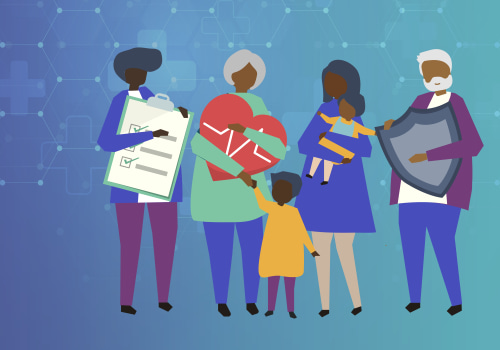
The intersection of racism and health is a critical issue that has profound implications for the well-being of the Black community in the United States. Historical injustices, systemic discrimination, and ongoing biases have created a landscape where health disparities are not just prevalent but deeply entrenched. These disparities manifest in various forms, from access to quality healthcare to the prevalence of chronic diseases, significantly impacting the overall health outcomes of African Americans.Understanding the impact of racism on health requires a comprehensive examination of both individual experiences and broader societal structures. For many in the Black community, encounters with healthcare systems are often marred by mistrust and negative experiences, which can deter individuals from seeking necessary medical care.
This mistrust is rooted in a long history of exploitation and neglect, where Black individuals have been subjected to unethical medical practices and systemic barriers that limit their access to quality healthcare.Moreover, the effects of racism extend beyond immediate healthcare interactions; they permeate various aspects of life, including socioeconomic status, education, and housing. These factors contribute to a cycle of disadvantage that exacerbates health issues within the community. For instance, neighborhoods predominantly inhabited by African Americans often face environmental hazards and limited access to nutritious food, further compounding health risks.As we delve deeper into this topic, it becomes essential to highlight specific health issues that disproportionately affect African Americans and explore the systemic factors that perpetuate these disparities. By shedding light on these critical areas, we can better understand how racism shapes health outcomes and advocate for meaningful change within our healthcare systems.
Historical Context of Racism and Health Disparities
The historical context of racism in healthcare is crucial to understanding the persistent health disparities faced by the Black community today.Systemic racism has deep roots in American history, influencing not only social structures but also the healthcare system itself. Key events and policies have contributed to a legacy of mistrust and inequity that continues to affect African American health outcomes.One of the most notorious examples of racial discrimination in healthcare is the Tuskegee Syphilis Study , which began in 1932 and continued for 40 years. In this unethical study, hundreds of African American men with syphilis were misled into believing they were receiving free healthcare from the U. S.
government, while in reality, they were denied treatment to observe the disease's progression. This betrayal has left a lasting impact on the Black community's trust in medical institutions.Additionally, discriminatory practices such as redlining have historically marginalized Black neighborhoods, limiting access to quality healthcare facilities. Redlining policies, which began in the 1930s, systematically denied loans and insurance to residents in predominantly Black areas, leading to economic disadvantages that directly correlate with poorer health outcomes.Furthermore, the legacy of slavery has had profound implications for health. Enslaved individuals were often subjected to brutal conditions that resulted in long-term physical and psychological trauma.
The effects of this trauma can still be seen today, as many African Americans face higher rates of chronic illnesses such as hypertension and diabetes.In more recent history, the Affordable Care Act aimed to address some of these disparities by expanding access to healthcare for low-income individuals, including many African Americans. However, barriers remain due to ongoing systemic racism within healthcare systems, including implicit bias among healthcare providers and socioeconomic factors that limit access to care.Understanding this historical context is essential for addressing current health disparities. It highlights the need for culturally competent care and policies that actively dismantle systemic barriers faced by the Black community. Only by acknowledging and addressing these historical injustices can we hope to improve African American health outcomes moving forward.
Current Health Disparities in the Black Community
The health of the Black community in the United States continues to be shaped by a myriad of factors, leading to significant disparities in health outcomes.Recent statistics reveal that African Americans face a range of health issues that are often exacerbated by systemic racism, socioeconomic challenges, and limited access to quality healthcare.One of the most pressing concerns is the prevalence of chronic diseases. According to the Centers for Disease Control and Prevention (CDC) , African Americans are disproportionately affected by conditions such as hypertension, diabetes, and heart disease. For instance, nearly 40% of Black adults have hypertension, compared to of Black adults have hypertension, compared to 28% of white adults. This disparity is not merely a statistic; it reflects a broader trend where lifestyle factors, healthcare access, and historical injustices converge.Moreover, the impact of these chronic conditions is compounded by mental health issues. of white adults. This disparity is not merely a statistic; it reflects a broader trend where lifestyle factors, healthcare access, and historical injustices converge.Moreover, the impact of these chronic conditions is compounded by mental health issues.
A study published in 2023 found that Black individuals are less likely to receive mental health treatment compared to their white counterparts. Only 25% of African Americans with mental health conditions seek help, often due to stigma and a lack of culturally competent care.Another critical area of concern is maternal and infant health. The CDC reports that Black women are three to four times more likely to die from pregnancy-related complications than white women. This alarming statistic highlights the urgent need for improved prenatal care and support systems tailored to the unique needs of Black mothers.In addition to these issues, the COVID-19 pandemic has further exposed and intensified existing disparities.
Data from 2023 indicates that African Americans were more likely to contract the virus and experience severe outcomes compared to other racial groups. Factors such as underlying health conditions, socioeconomic status, and access to healthcare played significant roles in these outcomes.Addressing these disparities requires a multifaceted approach that includes policy changes, community engagement, and increased representation in healthcare professions. By understanding the current health issues facing the Black community through recent statistics and studies, we can begin to advocate for equitable solutions that promote better health outcomes for all.
Access to Healthcare: Barriers and Challenges
Access to quality healthcare is a fundamental right, yet many African Americans face significant barriers that hinder their ability to receive adequate medical attention. These barriers are multifaceted, encompassing socioeconomic factors, geographic limitations, and systemic discrimination that have persisted over generations.Socioeconomic Factors
One of the primary challenges affecting African American healthcare access is socioeconomic status.
Many individuals in the black community experience higher rates of poverty compared to their white counterparts. This economic disparity often translates into limited health insurance coverage, making it difficult for them to afford necessary medical services. According to recent studies, African Americans are more likely to be uninsured or underinsured, which can lead to delayed treatment and poorer health outcomes.Additionally, lower income levels can restrict access to preventive care services. Many African Americans may prioritize immediate financial needs over healthcare expenses, resulting in missed opportunities for early diagnosis and treatment of chronic conditions such as diabetes and hypertension.
Geographic Limitations
Geographic location also plays a crucial role in healthcare access for the black community.
Many African Americans reside in urban areas where healthcare facilities may be available; however, these facilities often lack the resources necessary to provide comprehensive care. Furthermore, rural areas predominantly inhabited by African Americans may have limited access to healthcare providers altogether. This geographic disparity can lead to longer travel times for medical appointments and increased difficulty in obtaining timely care.
Systemic Discrimination
Systemic racism within the healthcare system further exacerbates these challenges. Historical injustices have fostered an environment where African Americans may feel mistrustful of medical institutions.
Reports indicate that black patients often receive lower-quality care compared to their white peers, which can discourage them from seeking help when needed. This mistrust is compounded by experiences of discrimination within healthcare settings, where black patients may feel their concerns are not taken seriously or that they are treated with bias.In conclusion, addressing the barriers to healthcare access faced by the African American community requires a multifaceted approach that includes policy changes, community engagement, and efforts to build trust between healthcare providers and patients. Only through understanding and dismantling these barriers can we hope to improve health outcomes for African Americans and ensure equitable access to quality healthcare for all.
The Role of Healthcare Providers in Addressing Racism
Healthcare providers hold a pivotal position in the fight against racism and its detrimental effects on African American health. Their role extends beyond mere treatment; it encompasses understanding the cultural, social, and historical contexts that shape the experiences of Black patients.By fostering an environment of trust and respect, healthcare providers can significantly improve health outcomes for African Americans.
Cultural Competence in Healthcare
Cultural competence is essential for healthcare providers aiming to address the unique needs of Black patients. This involves not only recognizing the cultural differences that exist but also actively seeking to understand them. Providers should engage in ongoing education about the historical injustices faced by African Americans, including systemic racism and its impact on health disparities. This knowledge equips them to approach patient care with empathy and sensitivity.For instance, understanding the historical context of medical mistrust within the Black community can help providers communicate more effectively and build rapport.
When patients feel understood and respected, they are more likely to engage in their healthcare actively.
The Importance of Representation
Having a diverse healthcare workforce is crucial in addressing racial disparities in health. Black healthcare providers can offer insights and perspectives that resonate with their patients' experiences. They often share similar backgrounds and can relate to the challenges faced by African Americans in navigating the healthcare system. This shared experience can foster a sense of comfort and trust, encouraging patients to seek care when needed.Moreover, representation matters not just for patients but also for aspiring healthcare professionals.
When young Black individuals see successful Black doctors, nurses, and other healthcare providers, it inspires them to pursue careers in medicine, ultimately leading to a more diverse workforce that can better serve all communities.
Strategies for Improvement
- Training Programs: Implementing training programs focused on cultural competence can help all healthcare staff understand the nuances of treating diverse populations.
- Community Engagement: Providers should engage with local communities to understand their specific health concerns and barriers to care.
- Patient Advocacy: Healthcare providers must advocate for policies that address systemic inequalities affecting African American health.
Mental Health Implications of Racism
The psychological impact of racism on the Black community is profound and multifaceted, leading to significant mental health challenges. Experiencing racism can trigger a range of emotional responses, including stress , anxiety , and depression. These mental health issues are not merely individual experiences; they are often exacerbated by systemic factors that perpetuate inequality and discrimination.Research indicates that individuals who face racial discrimination are at a higher risk for developing mental health disorders.The constant exposure to racism can lead to chronic stress, which has been linked to various psychological conditions. For instance, a study found that Black individuals who reported frequent experiences of discrimination were more likely to experience symptoms of anxiety and depression compared to those who did not face such challenges.Moreover, the psychological effects of racism can manifest in several ways:
- Internalized Racism: This occurs when individuals begin to accept negative stereotypes about their race, leading to diminished self-esteem and self-worth.
- Social Isolation: Experiences of racism can result in withdrawal from social interactions, as individuals may feel unsafe or unwelcome in predominantly non-Black spaces.
- Fear and Hypervigilance: The anticipation of encountering racism can create a state of constant alertness, which is mentally exhausting and can lead to anxiety disorders.
- Post-Traumatic Stress Disorder (PTSD): For some, particularly those who have experienced overt acts of racism or violence, the psychological scars can lead to PTSD, characterized by flashbacks, severe anxiety, and uncontrollable thoughts about the traumatic event.
By acknowledging the profound impact of racism on mental health, we can begin to dismantle the barriers that prevent healing and recovery within the Black community.
Community Initiatives and Solutions for Better Health Outcomes
In recent years, numerous community-led initiatives have emerged within the Black community, aiming to address health disparities and improve overall African American health. These initiatives are crucial as they not only provide immediate health benefits but also foster a sense of empowerment and ownership among community members.One notable example is the establishment of community health centers that focus on providing culturally competent care. These centers often employ staff who share similar backgrounds with the patients they serve, which helps to build trust and improve communication. By offering services such as preventive screenings, mental health support, and chronic disease management, these centers play a vital role in enhancing health outcomes.Another successful initiative is the implementation of health education programs tailored specifically for African American communities.These programs often include workshops on nutrition, physical activity, and disease prevention. For instance, organizations like the Black Women's Health Imperative have developed campaigns that educate women about heart disease and diabetes, two conditions that disproportionately affect African Americans. By raising awareness and providing practical tools for healthier living, these programs empower individuals to take charge of their health.Moreover, grassroots movements have gained momentum in advocating for policy changes that address systemic barriers to healthcare access. Initiatives such as the Black Lives Matter movement have highlighted the intersection of racial justice and health equity, pushing for reforms that ensure all individuals have access to quality healthcare regardless of their socioeconomic status.Community gardens and urban farming projects are also making a significant impact by improving food security in predominantly Black neighborhoods.
These initiatives not only provide fresh produce but also create opportunities for community engagement and education about healthy eating habits.In conclusion, while challenges remain in achieving equitable health outcomes for African Americans, these community-driven initiatives demonstrate the power of collective action. By focusing on culturally relevant solutions and fostering community involvement, we can pave the way for a healthier future for all members of the Black community.
Policy Recommendations for Addressing Health Disparities
To effectively address the health disparities faced by the Black community, a multifaceted approach to policy reform is essential. These reforms must target the systemic issues that perpetuate inequities in healthcare access and quality. Below are several key policy recommendations aimed at fostering significant change:- Increase Funding for Community Health Programs: Allocating more resources to community health initiatives can enhance access to preventive care and education.
Programs tailored to the specific needs of the Black community can help bridge gaps in healthcare services.
- Expand Medicaid and Medicare Coverage: Expanding eligibility for Medicaid and Medicare can provide more Black individuals with access to necessary healthcare services. This includes mental health support, chronic disease management, and preventive care.
- Support Diversity in Healthcare Workforce: Implementing policies that promote diversity in medical schools and healthcare professions is crucial. Increasing the number of Black healthcare providers can improve patient-provider relationships and ensure culturally competent care.
- Enhance Data Collection on Health Disparities: Improving data collection methods regarding health outcomes among different racial groups can help identify specific areas of need. This data should inform policy decisions and resource allocation.
- Implement Anti-Discrimination Training: Mandating anti-discrimination training for healthcare providers can help reduce biases in treatment.
Training should focus on understanding the unique challenges faced by Black patients and promoting equitable care.
- Promote Health Education and Awareness: Initiatives aimed at increasing health literacy within the Black community are vital. Educational programs should focus on preventive care, chronic disease management, and navigating the healthcare system.
Conclusion: The Path Forward for African American Health
As we reflect on the profound impact of racism on the health of the African American community, it becomes clear that addressing these disparities is not just a matter of equity but a necessity for the overall well-being of society. The historical context of systemic racism has created a landscape where access to quality healthcare remains limited for many black individuals.This has resulted in significant health disparities, including higher rates of chronic diseases, mental health issues, and lower life expectancy compared to their white counterparts.To move forward, it is essential to recognize the multifaceted nature of these challenges. Healthcare providers must be educated about the unique experiences and needs of African American patients. This includes understanding the historical injustices that have led to mistrust in the healthcare system. By fostering an environment of empathy and cultural competence, healthcare professionals can build stronger relationships with their patients, ultimately leading to better health outcomes.Moreover, community engagement plays a crucial role in overcoming health disparities.
Initiatives that involve African American voices in decision-making processes regarding healthcare policies can lead to more effective solutions tailored to their specific needs. Community health programs that focus on prevention, education, and access to resources are vital in empowering individuals to take charge of their health.Additionally, addressing social determinants of health—such as housing, education, and employment—is critical. These factors significantly influence health outcomes and must be part of a comprehensive strategy to improve African American health. Policymakers should prioritize investments in underserved communities to ensure equitable access to healthcare services and resources.In conclusion, while the path forward may be challenging, it is not insurmountable.
By acknowledging the impact of racism on health and actively working towards dismantling these barriers, we can pave the way for a healthier future for African Americans. It requires a collective effort from individuals, healthcare providers, and policymakers alike to create a system that values and supports the health of all communities.