Healthcare disparities represent a significant challenge within the United States, particularly affecting marginalized communities. Among these, the African American health landscape reveals stark inequities that have persisted for decades. These disparities are not merely statistical anomalies; they reflect deep-rooted systemic issues that influence access to care, quality of treatment, and overall health outcomes. Understanding these disparities is crucial for developing effective strategies to address them and improve health equity.The term "healthcare disparities" encompasses a range of differences in health outcomes and access to healthcare services among various racial and ethnic groups.
For African Americans, these disparities manifest in higher rates of chronic diseases such as diabetes, hypertension, and heart disease compared to their white counterparts. Factors contributing to these inequities include socioeconomic status, geographic location, and historical injustices that have led to mistrust in the healthcare system.Moreover, the impact of social determinants of health cannot be overstated. Issues such as poverty, education, and housing significantly influence the health of African American communities. For instance, individuals living in low-income neighborhoods often face barriers to accessing quality healthcare facilities, leading to delayed diagnoses and inadequate treatment.
This cycle perpetuates poor health outcomes and reinforces existing disparities.Addressing these healthcare disparities is not just a matter of policy reform; it requires a comprehensive understanding of the unique challenges faced by African Americans in the healthcare system. By acknowledging the historical context and current realities of racial health inequities, stakeholders can work towards creating a more equitable healthcare environment that ensures all individuals receive the care they need and deserve.
Historical Context of Healthcare Disparities
To fully grasp the current state of healthcare disparities affecting African Americans, it is essential to delve into the historical context that has shaped these inequities. The roots of these disparities can be traced back to systemic racism and discriminatory practices that have permeated the healthcare system for centuries.During the era of slavery, African Americans were often denied basic medical care. Slave owners viewed their slaves as property rather than human beings, leading to a lack of concern for their health and well-being.This neglect established a precedent for viewing African Americans as less deserving of quality healthcare.Following the abolition of slavery, segregation laws further entrenched healthcare disparities. The Jim Crow era enforced racial segregation in all public facilities, including hospitals and clinics. African Americans were often relegated to separate and inferior healthcare facilities, which not only limited their access to care but also resulted in poorer health outcomes. This systemic segregation created a cycle of disadvantage that has persisted through generations.Moreover, historical medical practices have contributed to mistrust within the African American community.
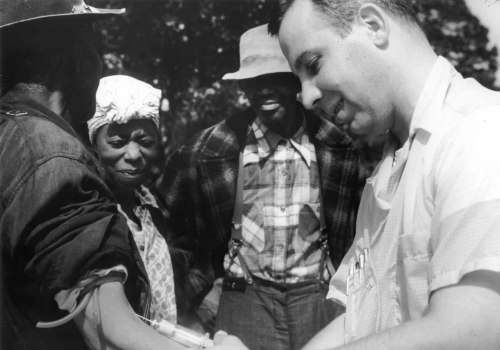
Notable examples include the infamous Tuskegee Syphilis Study, where African American men were misled and denied treatment for syphilis under the guise of research. Such unethical practices have left a lasting scar on the relationship between African Americans and the healthcare system, fostering skepticism towards medical professionals and institutions.In addition to these historical injustices, socioeconomic factors have compounded healthcare disparities. Many African Americans have faced barriers such as poverty, lack of education, and limited access to health insurance. These factors are often intertwined with systemic racism, creating a complex web of challenges that hinder access to quality healthcare.Understanding this historical context is crucial for recognizing ongoing issues in African American health.
It highlights the need for targeted interventions that address not only current disparities but also the historical injustices that continue to affect health outcomes today. By acknowledging this history, we can work towards a more equitable healthcare system that serves all individuals regardless of race.
Current Statistics on African American Health Disparities
Understanding the current landscape of African American health disparities is crucial for addressing the systemic issues that contribute to unequal health outcomes. Recent statistics reveal alarming trends that highlight the significant gaps in health status and access to care for African Americans compared to other racial groups.According to the Centers for Disease Control and Prevention (CDC) , African Americans experience higher rates of chronic diseases such as hypertension, diabetes, and heart disease. For instance, approximately 40% of African American adults have hypertension, compared to 28% of white adults.This disparity is compounded by factors such as socioeconomic status, access to healthcare, and cultural barriers.Moreover, the National Center for Health Statistics reports that African Americans are more likely to die from preventable conditions. In 2020, the mortality rate for African Americans was significantly higher than that of their white counterparts in several key areas:
- Heart Disease: African Americans have a mortality rate of 211.6 per 100,000 compared to 164.5 for whites.
- Cancer: The cancer death rate among African Americans is 190.7 per 100,000, while it is 152.4 for whites.
- Diabetes: The death rate from diabetes is 36.5 per 100,000 for African Americans versus 22.9 for whites.
Addressing these issues requires a multifaceted approach that includes improving access to quality healthcare, enhancing community health education, and advocating for policy changes that promote equity in health outcomes.The statistics paint a stark picture of the challenges faced by African Americans in achieving optimal health. By recognizing and addressing these disparities, we can work towards a more equitable healthcare system that serves all individuals effectively.
Factors Contributing to Healthcare Disparities
Healthcare disparities among African Americans are influenced by a multitude of factors that intertwine to create significant barriers to accessing quality care. Understanding these factors is crucial for addressing the inequities that persist in the healthcare system.Socioeconomic Status
One of the primary contributors to healthcare disparities is socioeconomic status. African Americans are disproportionately represented in lower-income brackets, which can limit their access to essential health services.
Individuals with lower incomes often face challenges such as:
- Inability to afford healthcare: High out-of-pocket costs can deter individuals from seeking necessary medical attention.
- Lack of health insurance: Many African Americans are uninsured or underinsured, making it difficult to access preventive care and treatment.
- Employment instability: Jobs that offer health benefits are often less accessible to those in lower socioeconomic groups, further exacerbating health disparities.
Access to Insurance
The availability and quality of health insurance play a critical role in determining healthcare access. African Americans are more likely to be enrolled in public insurance programs like Medicaid, which may not cover all necessary services or providers. This can lead to:
- Limited provider options: Many healthcare providers do not accept Medicaid, restricting access to care.
- Long wait times: Public insurance often results in longer wait times for appointments, which can delay treatment and worsen health outcomes.
Education and Health Literacy
Education level significantly impacts health literacy, which is essential for navigating the healthcare system effectively. Lower educational attainment among some African American communities can lead to:
- Poor understanding of health information: Individuals may struggle to comprehend medical instructions or the importance of preventive care.
- Increased vulnerability to misinformation: Lack of access to reliable health information can result in reliance on unverified sources, leading to poor health choices.
Geographic Location
The geographic distribution of healthcare resources also contributes to disparities.
Many African Americans live in areas with limited access to healthcare facilities, which can result in:
- Fewer healthcare providers: Rural and underserved urban areas often lack sufficient medical professionals.
- Difficulties in transportation: Limited public transportation options can hinder individuals from reaching healthcare facilities.
Impact of Healthcare Disparities on African American Communities
The impact of healthcare disparities on African American communities is profound and multifaceted, affecting not only physical health but also mental well-being and economic stability. These disparities often lead to a cycle of disadvantage that can persist across generations.Mental Health Effects
Healthcare inequities contribute significantly to mental health challenges within African American communities. The stress associated with navigating a healthcare system that is often unresponsive to their needs can lead to increased rates of anxiety, depression, and other mental health disorders.
Furthermore, the stigma surrounding mental health issues can prevent individuals from seeking help, exacerbating these conditions.Research indicates that African Americans are less likely to receive mental health services compared to their white counterparts, even when they exhibit similar levels of need. This lack of access can result in untreated mental health issues, which can further complicate physical health problems and diminish overall quality of life.
Economic Implications
The economic ramifications of healthcare disparities are equally significant. Poor health outcomes can lead to increased medical expenses, loss of income due to inability to work, and higher rates of disability. For many African American families, these financial burdens can be overwhelming, leading to a cycle of poverty that is difficult to escape.Moreover, communities with high rates of health disparities often experience reduced economic development.
Businesses may be less inclined to invest in areas where the population is predominantly affected by chronic health issues, further limiting job opportunities and economic growth.
Overall Community Well-Being
The cumulative effect of these disparities extends beyond individual health; it impacts the entire community's well-being. When a significant portion of the population struggles with health issues, it strains local resources such as schools, public services, and community organizations. This strain can hinder community cohesion and resilience.Addressing healthcare disparities is not merely a matter of improving individual health outcomes; it is essential for fostering thriving communities. By investing in equitable healthcare access and addressing the social determinants of health, we can begin to dismantle the barriers that have historically marginalized African American communities.
Efforts to Address Healthcare Disparities
Addressing healthcare disparities among African Americans requires a multifaceted approach that encompasses government initiatives, community health programs, and targeted reforms.These efforts aim to create equitable access to healthcare services and improve health outcomes for marginalized populations.
Government Initiatives
- The Affordable Care Act (ACA): Enacted in 2010, the ACA has played a pivotal role in expanding healthcare coverage to millions of uninsured individuals, including many African Americans. By providing subsidies for insurance premiums and expanding Medicaid eligibility, the ACA has significantly reduced the number of uninsured African Americans.
- Health Equity Action Plans: Various state and federal agencies have developed action plans focused on health equity. These plans often include strategies to address social determinants of health, such as education, income, and housing, which disproportionately affect African American communities.
- Funding for Research: The National Institutes of Health (NIH) has increased funding for research specifically targeting health disparities. This research aims to identify the unique health challenges faced by African Americans and develop tailored interventions.
Community Health Programs
- Community Health Workers (CHWs): Many organizations have implemented CHW programs that train local residents to provide health education and support within their communities.
CHWs serve as liaisons between healthcare providers and African American populations, helping to bridge gaps in communication and access.
- Mobile Health Clinics: These clinics travel to underserved areas, offering essential services such as screenings, vaccinations, and health education. By bringing healthcare directly to communities, mobile clinics help reduce barriers related to transportation and access.
- Partnerships with Faith-Based Organizations: Collaborations with churches and other faith-based groups have proven effective in reaching African American communities. These partnerships often focus on preventive care and chronic disease management through culturally relevant programs.
Successful Case Studies
- The Black Women’s Health Study: This long-term study has provided valuable insights into the health of African American women, leading to targeted interventions that address specific health issues such as hypertension and diabetes.
- Healthy Start Program: Aimed at reducing infant mortality rates among African Americans, this program provides comprehensive prenatal care and support services to expectant mothers in high-risk communities.
The Role of Healthcare Providers in Reducing Disparities
Healthcare providers are at the forefront of addressing healthcare disparities, particularly those affecting African American health.Their role extends beyond mere treatment; it encompasses understanding the unique challenges faced by diverse populations and actively working to mitigate these issues through culturally competent care.
Cultural Competency in Healthcare
Cultural competency is essential for healthcare providers aiming to deliver effective care to all patients, especially those from marginalized communities. This involves recognizing and respecting the cultural differences that influence health beliefs, practices, and outcomes. For African Americans, historical injustices and systemic racism have led to mistrust in the healthcare system. Providers must acknowledge this context and strive to build trust through empathetic communication and understanding.To enhance cultural competency, healthcare organizations should implement comprehensive training programs that focus on:
- Understanding Historical Context: Educating providers about the historical factors that contribute to health disparities can foster empathy and improve patient interactions.
- Effective Communication: Training in communication styles that resonate with diverse populations can help bridge gaps between providers and patients.
- Patient-Centered Care: Emphasizing the importance of involving patients in their own care decisions can empower individuals and improve health outcomes.
Provider Responsibility
Healthcare providers have a responsibility not only to treat illnesses but also to advocate for their patients' overall well-being.
This includes recognizing social determinants of health—such as socioeconomic status, education, and access to resources—that disproportionately affect African American communities. By addressing these factors, providers can play a pivotal role in reducing disparities.Moreover, healthcare systems should prioritize hiring a diverse workforce that reflects the communities they serve. A diverse team can offer varied perspectives and insights, enhancing the quality of care provided to all patients.In conclusion, the commitment of healthcare providers to cultural competency and patient-centered care is vital in reducing healthcare disparities. By actively engaging with their communities and advocating for equitable health practices, providers can significantly impact the health outcomes of African Americans and other marginalized groups.
Future Directions for Addressing Healthcare Disparities
As we look to the future of healthcare equity, it is essential to develop innovative solutions that specifically address the unique challenges faced by African American communities.The disparities in health outcomes are not merely a reflection of individual choices but are deeply rooted in systemic issues that require comprehensive strategies for change.
Policy Recommendations for Minority Health
- Enhancing Access to Care: Expanding Medicaid and Medicare coverage can significantly improve access to healthcare services for African Americans. Policymakers should consider implementing policies that reduce out-of-pocket costs and increase the availability of community health centers in underserved areas.
- Culturally Competent Care: Training healthcare providers in cultural competence is crucial. This training should focus on understanding the specific health beliefs, practices, and needs of African American patients, ensuring that care is respectful and tailored to their cultural context.
- Data Collection and Research: Increasing funding for research that focuses on health disparities among African Americans is vital. This includes collecting disaggregated data that highlights the specific health challenges faced by this community, allowing for targeted interventions.
- Community Engagement: Engaging African American communities in the design and implementation of health programs can lead to more effective solutions.
Community health workers can play a pivotal role in bridging gaps between healthcare providers and patients, fostering trust and improving health literacy.
Innovative Solutions for Health Disparities
In addition to policy changes, innovative solutions must be explored to tackle healthcare disparities:
- Telehealth Services: The rise of telehealth has the potential to increase access to care, especially for those living in rural or underserved urban areas. By providing virtual consultations, patients can receive timely medical advice without the barriers of transportation or long wait times.
- Mobile Health Clinics: Deploying mobile clinics can bring essential services directly to communities. These clinics can offer preventive care, screenings, and education on chronic diseases prevalent among African Americans.
- Partnerships with Local Organizations: Collaborating with local organizations that have established trust within African American communities can enhance outreach efforts. These partnerships can facilitate health education programs and promote preventive care initiatives.
By prioritizing these strategies, we can work towards a more equitable healthcare system that ensures all individuals, regardless of race, have access to the care they need.
Conclusion: The Path Forward in Addressing Healthcare Disparities
In conclusion, addressing healthcare disparities, particularly those affecting African American health, is not merely a matter of social justice; it is a critical public health imperative. Throughout this article, we have explored the multifaceted nature of these disparities, highlighting the systemic barriers that contribute to unequal access to healthcare services. From socioeconomic factors to cultural stigmas, the challenges faced by African American communities are deeply rooted and require comprehensive strategies for resolution.One of the most pressing issues is the need for improved access to quality healthcare. This includes not only expanding insurance coverage but also ensuring that healthcare facilities are available in underserved areas.Community health initiatives that focus on preventive care and education can play a pivotal role in bridging these gaps. By empowering individuals with knowledge about their health and available resources, we can foster a culture of proactive health management.Moreover, it is essential to enhance the cultural competence of healthcare providers. Training programs that emphasize understanding the unique experiences and needs of African American patients can lead to better patient-provider relationships and improved health outcomes. When healthcare professionals are equipped to address the specific concerns of diverse populations, they can provide more effective and empathetic care.Data collection and research are also vital components in this fight against healthcare disparities.
By prioritizing the collection of disaggregated data on race and ethnicity, we can better understand the specific health challenges faced by African Americans. This information is crucial for developing targeted interventions that address these disparities effectively.Finally, advocacy and policy change must remain at the forefront of our efforts. Engaging with policymakers to promote legislation that addresses social determinants of health will be key in creating an equitable healthcare system. As we move forward, it is imperative that we maintain momentum in raising awareness about these issues and mobilizing resources to support affected communities.In summary, while significant strides have been made in recognizing and addressing healthcare disparities, much work remains.
By committing to a holistic approach that encompasses access, education, cultural competence, data-driven strategies, and advocacy, we can pave the way for a healthier future for all individuals, particularly those within African American communities.