The health disparities experienced by the Black community in the United States are not merely statistics; they represent a profound and ongoing crisis that affects millions of lives. The health disparities experienced by the Black community in the United States are not merely statistics; they represent a profound and ongoing crisis that affects millions of lives. African American health outcomes are consistently poorer compared to their white counterparts, revealing a troubling pattern that has persisted for decades. These disparities manifest in various forms, including higher rates of chronic diseases, lower access to quality health care, and significant barriers to receiving timely and effective treatment. Understanding these issues is crucial for addressing the systemic inequities that contribute to the overall health of the Black community.At the heart of these disparities lies a complex interplay of social, economic, and environmental factors.
Many African Americans face challenges such as limited access to health insurance, which can lead to delayed diagnoses and inadequate treatment options. Additionally, socioeconomic status plays a critical role; individuals from lower-income backgrounds often reside in neighborhoods with fewer health resources, leading to a cycle of poor health outcomes. Furthermore, cultural factors and historical mistrust of the medical system can deter individuals from seeking necessary care, exacerbating existing health issues.To effectively tackle these persistent health disparities, it is essential to recognize the multifaceted nature of the problem. This includes acknowledging the impact of systemic racism within healthcare systems, which can result in biased treatment and unequal care.
By fostering a deeper understanding of these challenges, we can begin to advocate for policies and practices that promote equity in health care access and improve overall Black community health. The journey toward achieving health equity requires collective action from healthcare providers, policymakers, and community leaders alike.
Historical Context of Health Disparities
To fully understand the persistent health disparities faced by the Black community today, it is essential to delve into the historical context that has shaped these inequities. The roots of these disparities can be traced back to systemic racism, socioeconomic factors, and a long history of injustices that have systematically marginalized African Americans.Systemic Racism in Healthcare
Systemic racism has been a pervasive force in American society, influencing various sectors, including healthcare. From the era of slavery to the Jim Crow laws, African Americans have faced discrimination that has severely limited their access to quality healthcare.
For instance, during the 19th century, Black individuals were often excluded from hospitals or relegated to inferior facilities. This exclusion not only denied them necessary medical care but also perpetuated a cycle of poor health outcomes.
Socioeconomic Factors
The socioeconomic status of African Americans has also played a significant role in shaping health outcomes. Historically, discriminatory practices such as redlining and employment discrimination have resulted in economic disadvantages for Black families. Limited access to education and well-paying jobs has contributed to higher rates of poverty within the community, which in turn affects health.
Individuals living in poverty often face barriers such as inadequate housing, poor nutrition, and limited access to healthcare services.
Historical Injustices
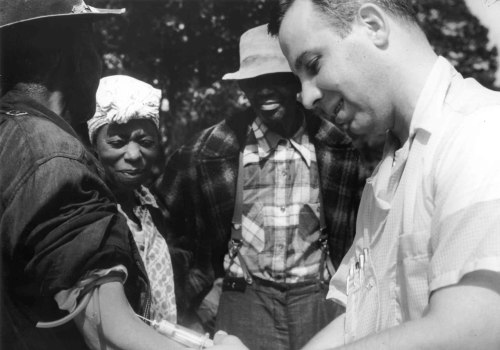
In addition to systemic racism and socioeconomic challenges, historical injustices have left a lasting impact on African American health. Events such as the Tuskegee Syphilis Study, where Black men were deliberately misled and denied treatment for syphilis, have fostered deep mistrust in the healthcare system. This mistrust continues to affect how many African Americans engage with healthcare providers today.Understanding this historical context is crucial for addressing current health disparities. It highlights the need for systemic changes within healthcare systems to ensure equitable access and treatment for all individuals, regardless of race.
By acknowledging and addressing these historical injustices, we can work towards a more equitable healthcare landscape that serves the needs of the Black community effectively.
Current Statistics on African American Health
Understanding the current state of African American health is crucial for addressing the persistent disparities faced by this community. Recent statistics reveal alarming trends that underscore the severity of health inequities.According to the Centers for Disease Control and Prevention (CDC) , the average life expectancy for African Americans is approximately 75.5 years, which is nearly four years shorter than that of white Americans, who have an average life expectancy of about 79.1 years. This gap in life expectancy is indicative of broader systemic issues affecting health outcomes.Chronic diseases disproportionately affect African Americans, contributing significantly to mortality rates. For instance:- Heart Disease: African Americans are 30% more likely to die from heart disease compared to their white counterparts.
- Diabetes: The prevalence of diabetes among African Americans is approximately 13.4%, compared to 7.4% in white populations.
- Hypertension: Nearly 40% of African American adults have high blood pressure, a condition that can lead to severe complications if left untreated.
According to a report from the Kaiser Family Foundation , about 10% of African Americans are uninsured, compared to 5% of white Americans. This lack of insurance often results in delayed treatment and poorer health outcomes.The disparities extend beyond insurance coverage; they also encompass access to quality care. A survey conducted by the African American Health Initiative found that nearly 60% of African Americans reported experiencing discrimination in healthcare settings, which can deter individuals from seeking necessary medical attention.The statistics paint a stark picture of the health landscape for African Americans, highlighting the urgent need for targeted interventions and policy changes aimed at reducing these disparities and improving overall health outcomes within the community.
Barriers to Healthcare Access for African Americans
Access to healthcare is a fundamental right, yet for many African Americans, significant barriers hinder their ability to receive adequate medical care. These barriers can be categorized into several key areas, including insurance coverage issues, financial constraints, and geographic limitations.Insurance Coverage Issues
- Many African Americans are disproportionately affected by a lack of health insurance.
According to recent studies, approximately 10% of African Americans remain uninsured, compared to about 5% of white Americans. This disparity often leads to delayed care and poorer health outcomes.
- Even when insurance is available, the type of coverage can significantly impact access to necessary services. Many African Americans are enrolled in plans with high deductibles and out-of-pocket costs, making it financially burdensome to seek care.
- Moreover, the complexities of navigating insurance systems can deter individuals from seeking help. A lack of understanding regarding benefits and coverage options can lead to missed opportunities for preventive care and treatment.
Financial Constraints
- Financial barriers are another critical issue.
Many African American families face economic challenges that limit their ability to afford healthcare services. Even with insurance, the costs associated with co-pays, medications, and transportation can be prohibitive.
- The economic impact of systemic inequalities means that many African Americans work in lower-paying jobs without benefits, further exacerbating their healthcare access issues.
Geographic Limitations
- Geographic location plays a significant role in healthcare access as well. Many African American communities are situated in areas with fewer healthcare facilities, leading to longer travel times and increased difficulty in obtaining care.
- Rural areas often lack specialized services, forcing individuals to travel long distances for treatment. This can be particularly challenging for those without reliable transportation or those who cannot take time off work.
Initiatives aimed at expanding insurance coverage, reducing financial burdens, and increasing the availability of healthcare services in underserved areas are crucial steps toward achieving equitable healthcare access for all.
The Role of Socioeconomic Factors in Health Disparities
Socioeconomic factors play a critical role in shaping health outcomes, particularly within the African American community. These factors include income level, education, and employment status, all of which are intricately linked to overall health and well-being.Income Level
Income is one of the most significant determinants of health. Individuals with lower incomes often face barriers to accessing quality health care, nutritious food, and safe living environments. According to recent studies, African Americans are disproportionately represented in lower-income brackets, which can lead to a cycle of poor health outcomes.
For instance, those living in poverty are more likely to experience chronic conditions such as diabetes and hypertension due to limited access to preventive care and healthy lifestyle choices.
Education
Education is another vital socioeconomic factor that influences health disparities. Higher educational attainment is generally associated with better health outcomes. Individuals with less education may lack the knowledge necessary to make informed health decisions or navigate the healthcare system effectively. Furthermore, educational disparities often correlate with income levels; those with lower educational qualifications tend to have lower-paying jobs, perpetuating the cycle of poverty and poor health.
Employment Status
Employment status also significantly impacts health.
Unemployment or underemployment can lead to financial stress, which adversely affects mental and physical health. African Americans often face higher unemployment rates compared to their white counterparts, exacerbating existing health disparities. Job-related stressors can contribute to a range of health issues, including anxiety and cardiovascular diseases.In summary, the interconnectedness of socioeconomic factors such as income level, education, and employment status creates a complex web that significantly influences health outcomes for African Americans. Addressing these disparities requires a multifaceted approach that considers not only healthcare access but also the broader socioeconomic context in which individuals live.
Cultural Competence in Healthcare Delivery
Cultural competence in healthcare is a critical factor that significantly influences the quality of care received by patients, particularly within the African American community.It refers to the ability of healthcare providers to understand, communicate with, and effectively interact with patients from diverse cultural backgrounds. This competence is essential for addressing the unique health needs and concerns of Black patients, who often face systemic barriers and biases in the healthcare system.One of the primary reasons for the persistent health disparities in the Black community is the lack of cultural understanding among healthcare providers. When providers are not trained to recognize and respect cultural differences, it can lead to miscommunication, mistrust, and ultimately poorer health outcomes. For instance, studies have shown that African American patients are less likely to receive adequate pain management compared to their white counterparts, often due to stereotypes and biases held by some healthcare professionals.
Importance of Diversity in Medicine
Diversity within the medical profession is crucial for fostering cultural competence.
A workforce that reflects the demographics of the patient population can enhance communication and trust between patients and providers. When Black patients see healthcare professionals who share similar backgrounds or experiences, they may feel more comfortable discussing their health concerns openly. This comfort can lead to better patient engagement, adherence to treatment plans, and overall improved health outcomes.Moreover, diverse medical teams are more likely to consider a broader range of perspectives when diagnosing and treating conditions. This inclusivity can lead to innovative solutions tailored to meet the specific needs of various communities, including African Americans who may experience unique health challenges.
Enhancing Patient-Provider Communication
Effective communication is a cornerstone of quality healthcare.
Cultural competence training for healthcare providers can improve their ability to communicate with patients from different backgrounds. This training often includes education on cultural beliefs, values, and practices that may influence health behaviors. By understanding these factors, providers can tailor their communication styles and treatment approaches accordingly.Furthermore, fostering an environment where patients feel heard and respected is vital. Encouraging open dialogue allows African American patients to express their concerns without fear of judgment or dismissal.
This approach not only enhances patient satisfaction but also leads to more accurate diagnoses and effective treatment plans.In conclusion, enhancing cultural competence among healthcare providers is essential for improving health outcomes in the Black community. By prioritizing diversity in medicine and fostering effective patient-provider communication, we can work towards eliminating health disparities and ensuring that all individuals receive equitable care.
Mental Health Disparities in the Black Community
Mental health is a crucial component of overall well-being, yet it remains a significantly overlooked issue within the Black community. The stigma surrounding mental health in African Americans often prevents individuals from seeking the help they need. Many people in this community grow up in environments where discussing mental health issues is considered taboo, leading to feelings of shame and isolation.This stigma can manifest in various ways, including the belief that mental health problems are a sign of weakness or that they should be handled privately without professional intervention.Access to mental health services is another critical barrier faced by African Americans. Numerous studies indicate that Black individuals are less likely to receive mental health care compared to their white counterparts. Factors contributing to this disparity include:
- Economic Barriers: Many African Americans face financial challenges that limit their ability to afford mental health services, especially if they lack insurance coverage.
- Geographic Limitations: In many urban and rural areas, there is a shortage of mental health professionals who are culturally competent and sensitive to the unique experiences of Black individuals.
- Lack of Representation: The mental health workforce lacks diversity, which can lead to feelings of mistrust among Black patients who may feel that their experiences are not understood by predominantly white practitioners.
For instance, the ongoing impact of racial discrimination can lead to chronic stress, which adversely affects mental health.To combat these disparities, it is essential to promote awareness and education about mental health issues within the Black community. Initiatives aimed at reducing stigma and increasing access to culturally competent care can empower individuals to seek help. Community-based programs that provide resources and support can also play a vital role in addressing these challenges.In conclusion, addressing mental health disparities in the Black community requires a multifaceted approach that includes reducing stigma, improving access to services, and fostering an environment where individuals feel safe discussing their mental health needs. By prioritizing these efforts, we can work towards better mental health outcomes for African Americans.
Community Initiatives and Solutions to Address Disparities
Addressing the persistent health disparities faced by the African American community requires a multifaceted approach that includes community-driven initiatives.These programs not only aim to improve access to health care but also focus on education and outreach, which are crucial for fostering better health outcomes.One successful model is the Community Health Worker (CHW) program, which has been implemented in various urban areas. CHWs are often members of the communities they serve, providing culturally relevant education and support. They help bridge the gap between healthcare providers and African American patients by:
- Facilitating access to preventive services such as screenings and vaccinations.
- Offering guidance on navigating the healthcare system, including insurance enrollment.
- Providing education on chronic disease management, nutrition, and healthy lifestyle choices.
- Free or low-cost medical services, including check-ups and screenings.
- Health education workshops that empower community members with knowledge about their health.
- Collaboration with local organizations to address specific health issues prevalent in the community, such as hypertension and diabetes.
Initiatives like "Mental Health First Aid" train community members to recognize signs of mental health issues and provide initial support. This is particularly important in African American communities where stigma around mental health can prevent individuals from seeking help.In addition to these programs, partnerships with local schools have proven effective in promoting health education among youth. Schools can serve as a platform for:
- Implementing nutrition and physical activity programs that encourage healthy habits from a young age.
- Providing resources for parents to understand the importance of regular health check-ups.
- Creating safe spaces for discussions about mental health and emotional well-being.
The Future of African American Health: Trends and Predictions
As we look toward the future of African American health, several trends and predictions emerge that could significantly impact healthcare equity and outcomes for the black community.The ongoing dialogue surrounding health disparities has prompted a growing awareness among policymakers, healthcare providers, and community leaders about the urgent need for systemic change.One of the most promising trends is the increasing emphasis on healthcare equity. Initiatives aimed at addressing social determinants of health—such as access to quality education, employment opportunities, and safe living environments—are gaining traction. These factors are crucial in shaping health outcomes and are often overlooked in traditional healthcare models. By focusing on these determinants, we can create a more holistic approach to health that benefits African Americans.Moreover, advancements in technology are poised to play a pivotal role in improving healthcare access for African Americans.
Telehealth services have expanded rapidly, particularly in the wake of the COVID-19 pandemic. This shift allows patients to receive care from the comfort of their homes, reducing barriers related to transportation and time constraints. As telehealth becomes more integrated into standard practice, it can help bridge gaps in care for underserved communities.Another significant trend is the push for increased representation within the healthcare workforce. Diverse healthcare providers can better understand and address the unique needs of African American patients.
Programs aimed at recruiting and retaining black professionals in medicine and nursing are essential for fostering trust and improving patient-provider relationships.Furthermore, community-based health initiatives are likely to gain momentum. These programs often focus on preventive care and education tailored to specific populations. By empowering communities to take charge of their health through local resources and support systems, we can foster a culture of wellness that prioritizes prevention over treatment.In conclusion, while challenges remain, the future of African American health holds promise through a combination of policy reform, technological innovation, workforce diversity, and community engagement. By addressing these areas proactively, we can work towards a more equitable healthcare system that ensures better health outcomes for all.
Conclusion: The Path Forward for Health Equity in the Black Community
As we reflect on the persistent health care disparities faced by the Black community, it becomes clear that achieving health equity is not just a goal but a necessity.Throughout this discussion, we have highlighted several critical factors contributing to these disparities, including limited access to quality health care, systemic biases within the medical field, and socio-economic challenges that disproportionately affect African Americans.To move forward, it is essential to recognize that addressing these issues requires a multifaceted approach:
- Policy Reform: Advocating for policies that expand access to affordable health care is crucial. This includes supporting initiatives that aim to reduce the number of uninsured individuals and improve coverage options for low-income families.
- Community Engagement: Empowering local communities through education and outreach can help raise awareness about available health resources. Community health programs tailored to the specific needs of African Americans can bridge gaps in care.
- Diversity in Health Care: Increasing representation among health care providers is vital. A diverse workforce can foster trust and improve communication between patients and providers, ultimately leading to better health outcomes.
- Research and Data Collection: Continued research into the unique health challenges faced by African Americans is necessary.
Collecting data on health outcomes can inform targeted interventions and policy changes.
Together, we can pave the way for a future where health equity is not just an aspiration but a reality for all.